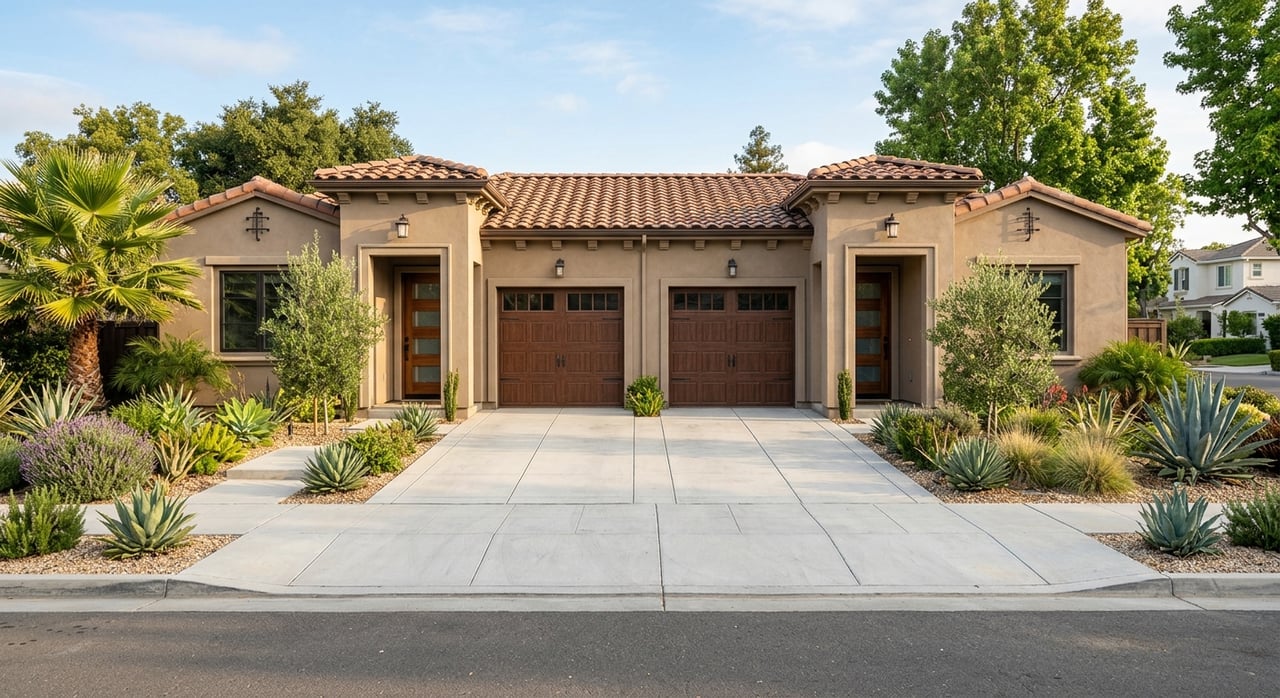
If you are thinking about investing in Rancho Cucamonga residential property, one question matters right away: are you buying for steady long-term value, or are you expecting strong monthly cash flow? In this market, that difference is important. Rancho Cucamonga offers stability, a meaningful renter base, and a broad local economy, but the numbers also show that careful underwriting matters. This guide will help you understand what makes this city appealing, where investors need to be cautious, and how to evaluate property types more clearly. Let’s dive in.
Why Rancho Cucamonga Draws Investors
Rancho Cucamonga stands out as an amenity-rich Inland Empire city with a solid mix of homeowners and renters. Census data shows a 2025 population estimate of 177,856, with 58,835 households and an owner-occupied housing rate of 62.3 percent. That means about 37.7 percent of occupied housing is renter-occupied, which supports ongoing rental demand.
The city also shows strong household income and housing values. Census data reports a median household income of $111,895 and a median owner-occupied home value of $740,200. For investors, that points to a market with purchasing power, but also one where entry costs can be high.
Another reason investors look closely at Rancho Cucamonga is economic diversity. Census figures show $3.55 billion in retail sales, $1.70 billion in transportation and warehousing receipts, and $1.10 billion in health care and social assistance receipts in 2022. A broader local economy can help support housing demand over time.
What the Numbers Say About Cash Flow
Rancho Cucamonga is not a market where you should assume easy cash flow from a market-priced purchase. Using Census figures, the median gross rent is $2,357 per month and the median owner-occupied value is $740,200. That creates an implied annual gross-rent-to-value ratio of about 3.8 percent before taxes, insurance, repairs, vacancy, and financing.
That rough ratio does not replace full analysis, but it tells you something important. This is often more of a stability and long-term demand market than a high-yield market. In practical terms, you may need a strong purchase basis, favorable financing, or a value-add plan to make the numbers work.
There is another telling data point. Census data shows median owner costs with a mortgage at $2,947 per month, which is higher than the median gross rent. That gap helps explain why investors in Rancho Cucamonga usually need to be selective instead of relying on a simple rent spread.
Why Conservative Underwriting Matters
In a market like this, small mistakes can have a big impact on returns. If you overestimate rent, underestimate repair costs, or ignore local rules, the deal can feel very different after closing. That is why Rancho Cucamonga investors tend to do better when they stay disciplined.
A conservative approach usually means reviewing expected rent carefully, building in realistic expense assumptions, and understanding what the property can and cannot legally do. It also means looking closely at taxes, occupancy strategy, and any planned improvements before you commit. In this city, the details matter.
Property Taxes Can Change Your Math
Property taxes are a key part of your investment analysis in San Bernardino County. The county states that Proposition 13 generally limits the base property tax rate to 1 percent of assessed value, plus voter-approved bonds. That can sound predictable at first, but there is more to the story.
The California Board of Equalization explains that real property is generally reassessed to current market value when ownership changes or new construction is completed. Supplemental assessments can also apply based on the new base-year value. For you, that means a property’s current tax bill may not match what you will actually pay after closing.
Single-Family Rentals: Simpler, But Not Always Simple
Single-family homes are often attractive because they can be easier to lease, maintain, and resell than some other property types. They may also appeal to investors who want a more straightforward exit strategy later. But in California, you still need to understand tenant protection rules.
According to the California Attorney General, single-family homes and condominiums may be exempt from the Tenant Protection Act only if certain ownership structure and written notice conditions are met. That means not every detached home is treated the same way under the law. If you are comparing single-family opportunities in Rancho Cucamonga, legal status should be part of your review.
Small Multifamily: More Income Density, More Review
A small multifamily property can improve income density because one parcel can produce multiple rents. That can be appealing in a city where home prices are relatively high. It may also offer more flexibility if one unit turns over while others stay occupied.
At the same time, small multifamily often requires closer legal and planning review. The California Attorney General states that most apartment buildings older than 15 years are covered by the Tenant Protection Act. The same guidance notes that a two-unit property within a single structure can be exempt if the owner lives in one unit during the entire tenancy.
For you, this means ownership structure and occupancy strategy can materially affect a 2-to-4-unit investment. A duplex, triplex, or fourplex is not just about rent totals. It is also about compliance, use, and how you plan to operate the property.
Manufactured Homes Need Different Due Diligence
Manufactured homes can open the door to a lower entry point, but they come with a different set of questions. The California Department of Housing and Community Development manages titling and registration for manufactured and mobile homes. That alone makes them different from a standard site-built house.
State law also distinguishes between homes affixed to a foundation system on owned land or on a qualifying long-term transferable lease, and homes located on leased land. That difference can affect financing, resale, and long-term stability. If you are considering this property type in Rancho Cucamonga or nearby Inland Empire markets, you need to confirm exactly what is being purchased.
Rancho Cucamonga Planning Rules Matter
If your strategy involves additions, conversions, or major exterior improvements, city planning review should happen early. Rancho Cucamonga describes its General Plan as a 15- to 20-year blueprint, with specific plans and master plans that set development standards for defined areas. The city also uses a Design Review Committee to review aesthetics, architecture, and design.
For an investor, that means a renovation idea is not the same as an approved renovation path. Before closing, confirm whether zoning, permits, or design review could affect your timeline, budget, or intended use. This is especially important for small multifamily and repositioning projects.
Demand Drivers Support the Long View
Rancho Cucamonga benefits from more than housing demand alone. City materials highlight amenities such as Victoria Gardens, parks, trails, entertainment, and destination retail. Those quality-of-life features can help support long-term interest in the area.
The city also points to broader development and connectivity efforts. Materials describe a proposed station and transit district linked to Metrolink, bus rapid transit, an Ontario International Airport connection, and the HART District, which the city describes as a transit-oriented mixed-use housing, retail, and commercial district. For investors, that supports the idea of a city that is planning for long-term growth and access.
Census data also shows that 89.8 percent of residents lived in the same house one year earlier. That is not a vacancy rate, but it does suggest a stable resident base. Stability can be valuable when your investment goals focus on consistency over speculation.
Questions to Ask Before You Buy
Before you move forward on an investment property in Rancho Cucamonga, keep your review focused on the issues that can change the economics the most.
- Is the property covered by the Tenant Protection Act, or does a valid exemption apply?
- What will the reassessed property tax basis likely be after closing?
- Does the city’s zoning or design review framework affect your renovation or use plan?
- If it is a manufactured home, do you own the land or lease it?
- Does the purchase price still make sense under realistic rent and expense assumptions?
These are not minor details. In a market like Rancho Cucamonga, they can have a bigger effect on performance than a small difference in projected rent.
A Smart Rancho Cucamonga Investment Strategy
The public data points to a clear takeaway. Rancho Cucamonga can make sense as a residential investment market, but it tends to reward investors who buy carefully and think long term. This is not the kind of market where chasing the highest raw yield should be the main plan.
Instead, the stronger approach is usually to match the property type to your goals, underwrite conservatively, and understand the legal and tax framework before you close. Whether you are considering a single-family rental, a small multifamily property, or a manufactured home opportunity, clarity upfront can save you money and stress later.
If you want local guidance on Rancho Cucamonga investment property, financing-aware insights, and practical help comparing your options, connect with 1st Class Realty Group. You can get straightforward advice that helps you evaluate the numbers, the property type, and the long-term fit for your goals.
FAQs
Is Rancho Cucamonga a good place for residential property investment?
- Rancho Cucamonga can be attractive for residential investment because it has a meaningful renter base, relatively high household income, a broad local economy, and strong stability signals, but investors usually need disciplined underwriting because entry prices are high.
What does Rancho Cucamonga data suggest about rental cash flow?
- Census data suggests that cash flow can be tight on market-priced purchases, with a median gross rent of $2,357 and a median owner-occupied home value of $740,200, which implies a rough gross-rent-to-value ratio of about 3.8 percent before expenses and financing.
How do property taxes work for Rancho Cucamonga investment property?
- In San Bernardino County, Proposition 13 generally limits the base property tax rate to 1 percent of assessed value plus voter-approved bonds, but a property is generally reassessed to current market value when ownership changes or new construction is completed.
Are single-family rentals in Rancho Cucamonga exempt from California tenant protection rules?
- Not always. The California Attorney General states that single-family homes and condominiums may be exempt from the Tenant Protection Act only if certain ownership structure and written notice conditions are met.
What should you check before buying a multifamily property in Rancho Cucamonga?
- You should review whether the property is covered by the Tenant Protection Act, whether zoning or design review affects your plans, what the post-closing tax basis will be, and whether the expected rents and expenses still support your goals.
What is different about investing in Rancho Cucamonga manufactured homes?
- Manufactured homes require special due diligence because titling and registration are handled differently, and the investment can work very differently depending on whether the home is on owned land, a qualifying long-term lease, or leased land.
