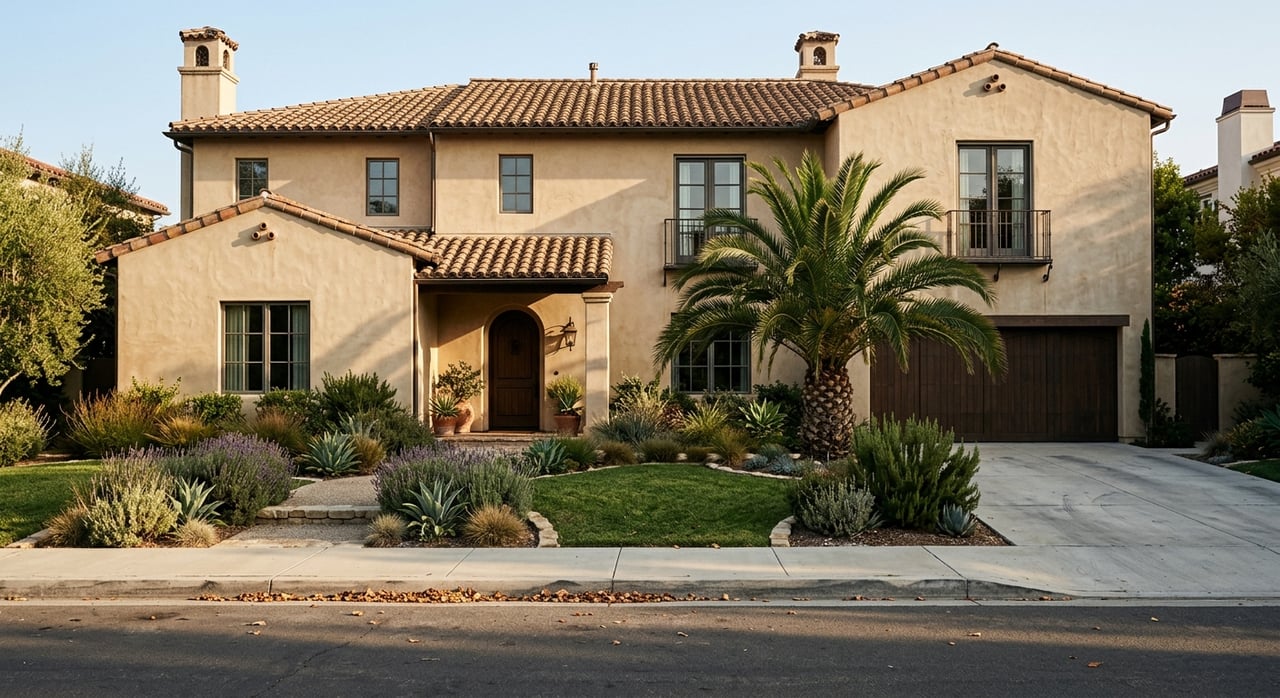
Wondering what daily life in Rancho Cucamonga really feels like? If you are thinking about moving, buying your first home, or making a local move within the Inland Empire, you probably want more than a map and a home search. You want to know how the city functions day to day, what housing looks like, how people get around, and what you can expect on weekends. Let’s dive in.
Rancho Cucamonga at a Glance
Rancho Cucamonga is a city in San Bernardino County with 176,675 residents across 40.11 square miles. It sits near the foothills of the San Gabriel Mountains, about 40 miles east of Los Angeles. That setting gives the city a suburban feel with mountain views, wide streets, and room for major shopping, recreation, and transit hubs.
The city’s long-range planning focuses on connected housing, recreation, arts and culture, entertainment, and employment opportunities. In practical terms, that means Rancho Cucamonga feels less like a dense urban center and more like an amenity-rich suburb with a lot of everyday convenience. If you want a place that blends neighborhood living with access to shopping, parks, and regional travel options, that balance stands out here.
Daily Life Feels Suburban and Convenient
One of the biggest draws of Rancho Cucamonga is how much you can do close to home. The city has major retail destinations, parks, community spaces, and public facilities that support everyday routines. You are not relying on a single downtown core for everything.
That matters because lifestyle here often revolves around practical convenience. You can run errands, meet friends for dinner, spend time outdoors, and access community programs without feeling like you need to leave the city for every activity. For many buyers and sellers, that makes Rancho Cucamonga feel established and easy to settle into.
Housing Options in Rancho Cucamonga
If you are asking what kinds of homes are common in Rancho Cucamonga, the answer is that the city offers a broad mix. Local housing resources reference single-family homes, condos, townhomes, apartments, senior rental housing, and mobile or manufactured homes. The city also supports housing programs tied to single-family homes, condos, townhomes, mobile or manufactured homes, and two-unit properties.
That range can be helpful whether you are a first-time buyer, downsizing, or looking for a property type that fits a specific budget or stage of life. It also means Rancho Cucamonga is not just one-note housing. You will find a wider variety of residential options than many people expect.
Census figures show a 62.3% owner-occupied housing rate, which points to a strong ownership base. The same data show a median owner value of $740,200, median monthly owner costs with a mortgage of $2,947, and median gross rent of $2,357. For you as a buyer or renter, that suggests a market where planning your budget carefully is important.
Another useful detail is residential stability. Census data report that 89.8% of residents lived in the same house one year earlier. While every move is personal, that figure suggests many people who live here tend to stay.
What the Housing Market Means for You
If you are considering a move to Rancho Cucamonga, it helps to think beyond price alone. A city with strong ownership demand and a settled residential base can feel appealing, but it can also mean you need a clear plan around affordability, financing, and monthly payment comfort.
This is especially true if you are a first-time buyer comparing Rancho Cucamonga with other Inland Empire cities. Looking at home price, mortgage payment, HOA costs when applicable, and commuting expenses together gives you a more realistic picture of what living here will cost month to month.
Getting Around Rancho Cucamonga
Rancho Cucamonga is still a car-friendly city, but it offers more transportation options than many suburban areas. Cucamonga Station serves as the city’s multimodal transportation hub. It connects residents to Metrolink service on the San Bernardino Line, Omnitrans commuter bus connections, the West Valley Connector BRT, and ONT Connect shuttle service to Ontario International Airport.
The station also includes ride-share and taxi access, bicycle access, and 960 parking spaces at the Rancho Cucamonga Metrolink station. If you commute, travel often, or simply want alternatives to driving every day, that kind of infrastructure can make a real difference.
The city is also planning for Brightline West at Cucamonga Station, with direct connections to air, bus, and local passenger rail. That adds to Rancho Cucamonga’s appeal as a place with regional mobility, not just local convenience. Census data put the mean travel time to work at 32.3 minutes, which gives you a useful benchmark if commute time is a major factor in your home search.
Parks and Outdoor Time
For many residents, outdoor access is a big part of the city’s appeal. Trust for Public Land identifies 22 parks in Rancho Cucamonga and reports that 33% of residents live within a 10-minute walk of a park. That does not mean every block is park-adjacent, but it does show parks are a meaningful part of the local lifestyle.
Several public spaces stand out. Central Park is a 30-acre site with a 57,000-square-foot community facility, a playground, an outdoor fitness area, and rental spaces. Red Hill Community Park includes a water feature and amphitheater, while the Pacific Electric Trail supports walking, biking, and outdoor time across the city.
The city also highlights places like North Etiwanda Preserve, which adds another layer to the local experience. If you enjoy mixing suburban living with access to open space, Rancho Cucamonga offers more than just sidewalks and shopping centers.
Shopping, Dining, and Entertainment
Rancho Cucamonga is known across the Inland Empire for its retail and entertainment options. Victoria Gardens is the city’s marquee destination, with more than 160 stores and restaurants. It also includes AMC Theatres, the Rancho Cucamonga Public Library, and the Cultural Arts Center.
That mix makes Victoria Gardens more than a shopping center. It functions as a social and activity hub where people gather for dining, movies, errands, and events. If you like having a major destination close to home, this is one of the city’s biggest lifestyle advantages.
Haven City Market adds another popular option with food, drinks, live performances, and family-friendly entertainment. Terra Vista Town Center also adds to the city’s retail convenience. Altogether, Rancho Cucamonga offers a strong mix of practical shopping and places where you can spend a relaxed afternoon or evening.
Community Services and Libraries
A city feels different when public services are active and easy to use. Rancho Cucamonga stands out here too. The city says hundreds of thousands of people use Community Services programs each year, which points to a very active local participation level.
The library system includes two main branches, a 24/7 library, study rooms, passport services, storytimes, digital collections, and other resources. For you, that can translate to more support for daily routines, family schedules, personal projects, and community involvement. These are the kinds of details that often shape how comfortable a place feels once you actually live there.
Is Rancho Cucamonga a Good Fit?
Rancho Cucamonga tends to work well for people who want a suburban environment with strong amenities and better-than-expected regional access. You may appreciate it if you want housing options that include detached homes, condos, townhomes, apartments, senior housing, or manufactured homes. You may also like it if parks, shopping, and community services matter to your day-to-day quality of life.
At the same time, it helps to go in with a realistic budget. Home values and monthly housing costs reflect meaningful demand, so affordability planning matters. If you are weighing Rancho Cucamonga against nearby cities, comparing housing type, commute pattern, and lifestyle priorities can help you decide whether it matches what you want long term.
Final Thoughts on Living Here
Living in Rancho Cucamonga often means choosing convenience, recreation, and regional access in one place. It has the feel of a polished Inland Empire suburb, with major lifestyle anchors like parks, retail centers, community programs, and transit connections. For many buyers and movers, that combination makes it easier to picture building a routine here.
If you are thinking about buying, selling, downsizing, or comparing home options in Rancho Cucamonga, working with a local team that understands both the market and the financing side can help you make a clearer decision. To talk through your next move, connect with 1st Class Realty Group.
FAQs
What is daily life like in Rancho Cucamonga?
- Daily life in Rancho Cucamonga is generally suburban, convenient, and amenity-rich, with access to parks, shopping, dining, community programs, libraries, and regional transit.
What types of homes are common in Rancho Cucamonga?
- Rancho Cucamonga includes single-family homes, condos, townhomes, apartments, senior rental housing, and mobile or manufactured homes.
Is Rancho Cucamonga good for commuters?
- Rancho Cucamonga offers car-friendly travel along with Metrolink, bus connections, airport shuttle service, and future Brightline West planning at Cucamonga Station.
What are popular things to do in Rancho Cucamonga?
- Many residents spend time at parks, the Pacific Electric Trail, Victoria Gardens, Haven City Market, library branches, and city community programs.
Is Rancho Cucamonga more urban or suburban?
- Rancho Cucamonga is more suburban than urban, with neighborhood living supported by major retail centers, recreation spaces, and regional transportation access.
Is Rancho Cucamonga expensive to live in?
- Census data show a median owner value of $740,200, median monthly owner costs with a mortgage of $2,947, and median gross rent of $2,357, so budgeting carefully is important when planning a move.
